Shakarparian National Park — Overview
Shakarparian National Park sits near the Zero Point Interchange on Garden Avenue in Islamabad, covering approximately 12 square kilometres of rolling hills, manicured gardens, and native woodland at an elevation of 609 metres above sea level. However, the name comes from Persian and translates to Sweet Fairies, which is the kind of name that makes more sense when you are standing at the viewpoint at dusk, watching the lights of the capital spread out below you, than it does on a map. The park forms part of the larger Margalla Hills National Park system and sits between the Shakarparian Hills and Constitution Avenue, placing it at the geographical and symbolic heart of Islamabad. Before the capital was established in the early 1960s, members of the Gakhar tribe lived on these hills. After relocation, the Capital Development Authority developed the area into a national park that was formally inaugurated in 1969. In addition, Shahdara Valley is another beautiful place to visit in Islamabad.
Quick Facts
| Detail | Info |
| Official Name | Shakarparian National Park |
| Urdu Name | شکرپڑیاں نیشنل پارک |
| Name Meaning | Sweet Fairies (from Persian) |
| Location | Near Zero Point Interchange, Garden Avenue, Islamabad |
| Elevation | 609 metres (1,998 feet) above sea level |
| Area | Approximately 12 square kilometres (4.5 square miles) |
| Part of | Margalla Hills National Park system |
| Inaugurated | 1960 by President General Muhammad Ayub Khan (developed 1960-61, formally 1969) |
| Previous Residents | Members of the Gakhar tribe before 1947 |
| Entry Fee | Free — no admission charge |
| Timings | 8:00 AM to 7:00 PM (general park hours) |
| Viewpoint | Open 24 hours |
| Parade Ground | Open 24 hours |
| Managed By | Capital Development Authority (CDA), Islamabad |
Shakarparian National Park History
From Gakhar Tribal Land to National Park
Before Islamabad was designated as the capital of Pakistan in 1963, the Shakarparian hills were inhabited by members of the Gakhar tribe who had settled here before the Indo-Pakistan partition in 1947. When the decision was made to develop Islamabad as the new federal capital, the tribe was relocated, and the Capital Development Authority took responsibility for transforming the hillside into a recreational and cultural park.
Shakarparian National Park Timings and Entry Fee
| Area | Timings |
| General Park (Gardens, Jogging Track) | 8:00 AM to 7:00 PM |
| shakarparian view point | Open 24 hours |
| Parade Ground | Open 24 hours |
| Pakistan Monument Museum | 9:00 AM to 5:00 PM (separate entry fee) |
| Lok Virsa Museum | 9:00 AM to 5:00 PM (separate entry fee) |
| Park Entry Fee | Free — no admission charge |
| Pakistan Monument Museum Fee | PKR 20 adults, PKR 10 children |
The park itself has no entry fee and no formal ticketing. The viewpoint and parade ground are accessible at any hour. While the general park gardens and jogging tracks operate within the 8 AM to 7 PM window, the hilltop viewpoint is where most evening visitors go specifically for the city lights, and that access has no time restriction. The museums inside the park carry separate entry fees but the outdoor spaces, viewpoints, and monuments are entirely free to access.
Shakarparian National Park Location
Shakarparian National Park is located near the Zero Point Interchange on Garden Avenue in Islamabad, placing it between the Shakarparian Hills and Constitution Avenue. The Pakistan Monument on the hilltop is the most visible landmark from the approach roads and serves as the navigational anchor for first-time visitors. The park sits adjacent to the Parade Ground, the Lok Virsa Museum, and the Pakistan-China Friendship Centre, all of which occupy the same general area.

Distance from Key Locations
| From | Distance and Time |
| Islamabad City Centre (F-6) | ~9 km — 15 to 20 minutes |
| Zero Point Interchange | ~1 km — directly adjacent |
| Rawalpindi (Saddar) | ~20 km — 35 to 45 minutes |
| Islamabad Airport (BBIA) | ~24 km — 30 to 40 minutes |
| Faisal Mosque | ~8 km — 15 minutes |
| Daman-e-Koh | ~12 km — 20 minutes |
| Lake View Park | ~11 km — 20 minutes |
| Rawal Lake | ~13 km — 20 minutes |
By Metro Bus
The Islamabad Metro Bus Service stops near the Zero Point area, which is the closest public transport access point to Shakarparian. From the Zero Point station, the park entrance is a short walk or a brief rickshaw ride away. The Metro Bus connects from Rawalpindi through the twin cities corridor and provides the most affordable public transport option for visitors from either city.
By Private Vehicle and Uber
Searching Shakarparian National Park or Pakistan Monument, Islamabad, on Google Maps gives the correct location. Parking is available near the Pakistan Monument and at multiple points around the park perimeter. Uber and Careem both service the area, and dropping off at the Pakistan Monument in Islamabad is the most precise instruction for drivers unfamiliar with the specific park entrance points.
Shakarparian National Park Attractions
Pakistan Monument

Symbol of National Unity
The Pakistan Monument is the most prominent landmark within Shakarparian National Park and one of the most recognisable structures in the entire country. Inaugurated on 23 March 2007, the monument was designed by architect Arif Masood and represents the four provinces and three territories of Pakistan through a flower-like structure with four large petals and three smaller ones. In addition, the petals are decorated with murals depicting significant events and cultural imagery from Pakistan’s history and regional heritage.
Pakistan Monument Museum
The Pakistan Monument Museum sits directly adjacent to the monument and provides a structured historical context for the broader national narrative that the monument represents. The museum covers Pakistan’s independence movement, the contributions of key figures including Quaid-e-Azam Muhammad Ali Jinnah and Allama Iqbal, and the cultural and geographical diversity of the country through photographs, artifacts, dioramas, and interactive exhibits. Entry to the museum costs PKR 20 for adults and PKR 10 for children, separate from the free park access. The museum is particularly worthwhile for visitors who want to understand the Pakistan Monument’s significance rather than just photograph it from the outside. The exhibits are well curated by national museum standards, and the air-conditioned interior makes it a practical stop during the hot summer months when spending extended time outdoors is uncomfortable.
Shakarparian Viewpoint
Best City Views in Islamabad
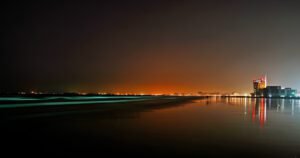
The Shakarparian Viewpoint sits at approximately 609 metres above sea level and offers panoramic views that take in Islamabad’s planned grid layout, Faisal Mosque, Rawal Lake, the Parliament House, and, on clear days, the Margalla Hills rising to the north. The viewpoint is the spot where the original city plan of Islamabad was first mapped out on this hill, and standing there gives a genuine sense of why the planners chose this elevation as the observation point for the capital’s design. Evening visits to the viewpoint are when it operates at its best. As the city lights come on and the air cools down from the afternoon heat, the view from the hill becomes one of those Islamabad experiences that visitors consistently describe as unexpectedly beautiful. Faisal Mosque is another top spot to visit with family and friends.
Friendship Garden
Head of State Trees
The Friendship Garden within Shakarparian is one of the more unusual features of the park and one that most visitors walk past without knowing its significance. The garden contains trees planted by heads of state and world leaders during their official visits to Pakistan, a diplomatic tradition that creates a living record of Pakistan’s international relationships across decades. Finally, each tree in the garden carries a plaque identifying the leader who planted it and the date of the visit. In addition, it is truly one of the best places to visit in Islamabad.
Lok Virsa Heritage Museum
The Lok Virsa Heritage Museum sits within the Shakarparian area and houses one of the most comprehensive collections of Pakistani folk culture in the country. The museum covers traditional crafts, music, textiles, pottery, woodwork, and cultural practices from all four provinces and the northern regions, giving visitors a single-location overview of the extraordinary cultural diversity that exists within Pakistan’s borders. In addition, the displays include working demonstrations of traditional crafts on certain days, which add a living dimension to what could otherwise be purely a display of static objects.
Parade Ground
The Shakarparian Parade Ground is the largest in Islamabad and hosts the annual Pakistan Day Parade on 23 March each year, commemorating the Lahore Resolution of 1940, which called for the creation of an independent Muslim state. The parade is one of the most significant national events in the Pakistani calendar and involves military displays, equipment exhibitions, fly-pasts, and cultural performances that draw large crowds from across the twin cities.
Pakistan-China Friendship Centre
The Pakistan-China Friendship Centre sits within the broader Shakarparian area and represents the cultural dimension of one of Pakistan’s most important bilateral relationships. The centre was built as a gift from China and has hosted numerous cultural events, exhibitions, and bilateral gatherings over the years. The architectural style reflects the Chinese influence on the design and construction of the building. The centre is not a typical tourist attraction, but its presence within the Shakarparian complex adds to the area’s character as a site where national identity and international relationships both find physical expression.
Jogging Track and Walking Paths
The jogging track at Shakarparian runs through the landscaped sections of the park and provides a properly surfaced circuit that separates exercise visitors from the general park traffic. The track passes through the garden areas and along sections with city views, making it one of the more scenic jogging routes in Islamabad. Early morning, between 6 AM and 8 AM, is when the track sees its heaviest use from regular visitors who come specifically for exercise before the day begins.
Rose Garden
The Rose Garden is one of the quieter and more consistently pleasant areas of the park throughout the spring and autumn seasons when the roses are in bloom. The garden is well maintained by CDA standards and covers a variety of rose species in organised beds along paved walkways. Spring visits between March and May give the best bloom conditions. In addition, the rose garden is popular for photography and is one of the areas families with young children tend to gravitate toward during weekend visits.
Shakarparian Maps
Wildlife and Birdwatching

Despite its urban location, Shakarparian National Park supports a notable range of wildlife because it connects with the broader Margalla Hills ecosystem. The park’s bird list includes Indian peafowl, white-throated kingfisher, black drongo, common hoopoe, and various migratory species that pass through the area seasonally. The rockier sections of the hillside harbour reptiles, including skinks and lizards, while the Indian crested porcupine is occasionally spotted in the less visited nocturnal hours. For birdwatchers, early morning visits between sunrise and 9 AM give the best activity windows before the park fills with general visitors.
Shakarparian National Park Weather
| Season | Temperature and Best Activities |
| Spring (March to May) | 15 to 28°C — rose garden in bloom, ideal for all activities |
| Summer (June to August) | 30 to 38°C — visit the viewpoint in the evening only |
| Monsoon (July to September) | Occasional rain, lush green, misty hill views |
| Autumn (October to November) | 15 to 28°C — best overall weather, clear panoramic views |
| Winter (December to February) | 5 to 15°C — cold mornings, clear skies, excellent visibility |
The elevation of 609 metres keeps the park measurably cooler than the Islamabad city centre below throughout the year. Spring and autumn give the best all-day visiting conditions. Summer visits are best timed for the early morning or the evening viewpoint when the heat drops and the city lights compensate for the daytime glare. Winter mornings are cold, but the air clarity in December and January gives the best long-distance visibility from the viewpoint, with the Margalla Hills visible in sharp detail and on very clear mornings the distant Himalayan foothills appearing on the northern horizon.
Best Time to Visit Shakarparian
March through May and October through November are the optimal months for a complete park experience. Spring combines mild temperatures with the rose garden at its best and the Pakistan Day Parade on 23 March, which brings the parade ground to life in a way that rewards planning a visit specifically around that date. Autumn gives clear skies, comfortable temperatures throughout the day, and the best conditions for panoramic viewpoint photography that the park is most associated with. For evening viewpoint visits, any season works since the city lights are equally impressive year round and the cooler evening temperature makes the hilltop comfortable from sunset onward.
My Personal Experience at Shakarparian National Park

The viewpoint is where Shakarparian earns its reputation. I have been there at different times of day, and the evening visit is definitely the best. Around 6:30 PM on a clear autumn evening, standing at the hilltop with Faisal Mosque visible to the north and the planned grid of Islamabad spreading out below you in all directions, the city looks like an idea that worked. The scale of it, and the silence up on the hill while all of that activity happens below, is genuinely affecting in a way that most viewpoints are not. The Friendship Garden was the part of the park I spent longer in than I expected. I knew about it intellectually, but walking from tree to tree and reading the plaques, each one a specific head of state on a specific date, made Pakistan’s diplomatic history tangible in a way that no document or photograph can manage. A tree planted by a visiting president in 1967 is now a mature canopy tree providing shade to visitors who have no idea what it represents. In addition, there is something worth sitting with in that.
Essential Tips for Visiting Shakarparian National Park
- Visit the viewpoint between 6 PM and 8 PM for the best combination of sunset and city lights
- Arrive at 8 AM for the jogging track and rose garden before the crowds build up
- Bring PKR 20 per adult for the Pakistan Monument Museum entry if you plan to go inside
- Combine Shakarparian with Lok Virsa Museum and Pakistan Monument on the same visit, as all three are within walking distance
- Plan a visit around 23 March for the Pakistan Day Parade at the Parade Ground
- Walk through the Friendship Garden and read the plaques — it takes 20 minutes and is genuinely interesting
- Birdwatchers should arrive before 9 AM for the highest activity levels in the park’s woodland sections
- For the clearest Margalla Hills viewpoint visibility, visit on a winter morning between December and February
Nearby Places to Visit from Shakarparian
| Place | Distance and Notes |
| Faisal Mosque | ~8 km — largest mosque in Pakistan |
| Daman-e-Koh | ~12 km — Margalla Hills viewpoint |
| Lake View Park | ~11 km — bird aviary and Rawal Lake |
| Rawal Lake | ~13 km — boating and picnic area |
| Pakistan Monument Museum | On site — separate entry fee |
| Lok Virsa Museum | On site — folk culture and heritage |
| Saidpur Village | ~9 km — heritage village restaurant area |
| F-9 Fatima Jinnah Park | ~6 km — large urban park |
| Islamabad Zoo | ~7 km — wildlife facility |
FAQs
Entry to Shakarparian National Park is completely free. There is no admission charge for the park itself, the viewpoint, the jogging track, the rose garden, or the parade ground. In addition, the Pakistan Monument Museum inside the park charges PKR 20 for adults and PKR 10 for children as a separate entry fee.
The general park, including the gardens and jogging tracks, is open from 8:00 AM to 7:00 PM. The viewpoint and parade ground are accessible 24 hours. Moreover, the Pakistan Monument Museum operates from 9:00 AM to 5:00 PM, and the Lok Virsa Museum operates on similar hours.
Shakarparian National Park is located near the Zero Point Interchange on Garden Avenue in Islamabad, directly adjacent to the Pakistan Monument and Lok Virsa Museum. Moreover, the park sits between the Shakarparian Hills and Constitution Avenue in the heart of the capital.
Yes. Faisal Mosque is clearly visible from the Shakarparian viewpoint, particularly on clear days. However, the mosque’s distinctive geometric structure stands out against the Margalla Hills backdrop to the north of the city and is one of the most recognisable landmarks visible from the hilltop.
The name Shakarparian comes from Persian and translates to Sweet Fairies. Before that, the name is also associated with the Persian words for sweet-smelling trees, reflecting the lush and fragrant vegetation that characterised the hillside before and after its development as a national park.