Shinkiari Overview
Shinkiari is a town in the Upper Pakhli Tehsil of Mansehra District in Khyber Pakhtunkhwa, sitting 18 kilometres north of Mansehra city on the Karakoram Highway at an elevation of 1,019 metres. The name itself tells you something about the place. It comes from two Pashto words: Shin, meaning green, and Kiari, meaning garden or a place with dense vegetation. Green Garden. When you arrive, you understand immediately why the name fits. The town is best known nationally as the home of Pakistan’s first tea garden, established in the 1970s on 30 acres of land at nearby Baffa village. Beyond the tea garden, Shinkiari serves as the main access point for Siran Valley, one of the most under-visited valleys in KPK, and is surrounded by colonial-era buildings, the Kunhar River, and mountain landscapes that make every approach into the area scenic. Khanpur Dam is another top spot in KPK to visit with family and friends.
Quick Facts
| Detail | Info |
| Location | Upper Pakhli Tehsil, Mansehra District, KPK |
| Name Meaning | Shin (green) + Kiari (garden) = Green Garden |
| Altitude | 1,019 metres (3,346 feet) above sea level |
| Coordinates | 34°28’0 N, 73°16’60 E |
| Postal Code | 21140 |
| Distance from Mansehra | Pakistan’s first tea garden, Siran Valley, and colonial buildings |
| Distance from Islamabad | ~200 km — 4 to 5 hours |
| River | Kunhar River flows through the town |
| Famous For | Pakistan’s first tea garden, Siran Valley, colonial buildings |
| Tribe | Majority Swati Pukhtoon, also Hindko speaking |
Shinkiari History
Shinkiari has a documented history stretching back to the British colonial period. The Shinkiari police station was established before the partition of India, making it one of the older administrative settlements in the Mansehra District. The British presence in the area is still physically visible through the JLA Offices Mess building, the Kund Rest House, and the Shinkiari Hut, all of which date from the 19th century and were built during the colonial administration of the Hazara region. The tea cultivation history of the area is particularly significant. The National Tea Research Station was formally established in 1986, upgraded to an institute in 1996, and renamed the National Tea and High-Value Crops Research Institute in 2013. Kalam Valley is also a beautiful tourist spot around the city to visit.
Places to Visit in Shinkiari
Shinkiari Tea Garden
The Shinkiari Tea Garden is the primary reason most visitors come to the town, and it fully justifies the trip. Established in the 1970s on approximately 30 acres of land at Baffa village in the Mansehra District, it holds the distinction of being the first tea garden cultivated in Pakistan. Walking through the tea garden is genuinely different from what you expect if you have never visited a working tea plantation. The rows of tea bushes on sloping ground with the surrounding mountain landscape above them create a visual setting that does not look like it belongs in Pakistan, which is part of the fascination.
National Tea and High-Value Crops Research Institute
The NTHRI sits within the Shinkiari area and represents the national institutional commitment to tea research and development in Pakistan. The institute is one of a very small number of places in Pakistan where you can taste different tea varieties side by side and understand the specific characteristics of each. Tea enthusiasts visiting Shinkiari consistently rate the institute visit as one of the more genuinely informative experiences available in the KPK tourism circuit.
Shinkiari Lake

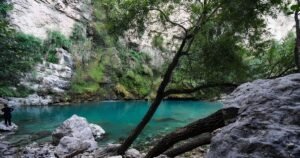
Shinkiari Lake is located in the Haroonabad area of the town and is one of the most underappreciated attractions in the Mansehra District. The crystal clear water surrounded by lush greenery and the mountain backdrop creates a setting that photographs consistently well and that rewards an unhurried visit. The rocks around the lake provide natural seating from which the reflections of the surrounding landscape in the water are visible with unusual clarity. Right next to the lake stands a traditional grain-grinding mill powered by the flowing lake water, one of those working examples of traditional technology that feels more alive and interesting than any museum display could. Watching the mill work while sitting near the lake is one of those small Shinkiari experiences that visitors remember long after the larger attractions have blurred together. Jahaz Banda is also a spot worth visiting when on vacation.
JLA Offices Mess

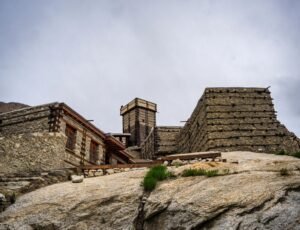
The JLA Offices Mess is a colonial era building from the 19th century that represents the most complete surviving example of British administrative architecture in Shinkiari. The building shows a blend of colonial and local architectural styles that was characteristic of British construction in the Hazara region during that period.
Kund Rest House
The Kund Rest House, also known as Kundbangla, is a British-era historic house located in the Jabori forest approximately 2,500 metres from Shinkiari. The structure was built in the 19th century and served as a rest facility for colonial officials traveling through the Hazara region. In addition, the 2005 earthquake damaged the building significantly, and restoration work brought it back to operational status in 2018.
Shinkiari Hut
The Shinkiari Hut is a 100-year-old forest rest house in Upper Pakhli, built during the British era and still accessible today. Getting there requires a rough jeep track and approximately two hours of driving from the main road, which is not a casual detour. The hut is not a resort or hotel and has limited facilities. The isolation of the Shinkiari Hut is what gives it its appeal to a specific type of visitor.
Siran Valley

Gateway to Siran Valley from Shinkiari
Shinkiari serves as the main gateway to Siran Valley, one of the least visited and most scenically dramatic valleys in the Mansehra District. Siran Valley is approximately 10 kilometres from Shinkiari and is accessible by local taxi from the town. The Siran River flows through the valley, originating from the Musa Ka Musalla peak at approximately 13,500 feet, which is one of the most famous trekking destinations in the KPK high-altitude circuit.
Musa Ka Musalla Trek
Musa Ka Musalla, meaning the Prayer Mat of Moses, is the highest trekking peak accessible from the Siran Valley area and one of the signature alpine destinations of the Mansehra District. The peak retains snow year-round, and the trek to its base and upper reaches requires proper equipment and experience.
Siran Lake
Siran Lake is an artificial lake in Siran Valley, created by diverting the cold waters of the Siran River. The lake sits in a landscape of breathtaking mountain scenery, and the combination of the still water, the surrounding peaks, and the meadows that frame the lake creates a setting that most visitors describe as almost unrealistically beautiful.
Shinkiari Bazaar
The Shinkiari Bazaar runs along a long street with traditional shops and stalls on both sides selling everything from fresh produce and local crafts to tea products from the nearby garden. The market is a working bazaar rather than a tourist market, which means the prices and the atmosphere are both more honest than what you find in more heavily commercialised KPK destinations.
Kunhar River

The Kunhar River flows through Shinkiari as it makes its way from the Kaghan Valley southward through the Mansehra District. The river provides opportunities for fishing, riverside picnicking, and the kind of unhurried time by moving water that is harder to find at the more tourist-heavy northern destinations.
Thandiani
Thandiani is a charming hill station located a short distance from Shinkiari and is often combined with a Shinkiari visit by travellers exploring the Mansehra area. It is known for its cool climate and panoramic views of the Himalayan range, including snow-capped peaks that are visible on clear days.
Shinkiari Weather
| Season | Temperature and Conditions |
| Spring (March to May) | 15 to 25°C — mild, fresh, ideal for outdoor activities |
| Summer (June to August) | 25 to 35°C — warm days, hot at peak, cool evenings |
| Monsoon (July to September) | Heavy rainfall, green landscape, some road disruption |
| Autumn (September to November) | 10 to 22°C — clear skies, excellent visibility, best colours |
| Winter (December to February) | 5 to 12°C days, below 5°C nights, occasional frost |
The elevation of 1,019 metres keeps Shinkiari noticeably cooler than Mansehra city and significantly cooler than Abbottabad throughout the year. Spring and autumn are the most consistently pleasant seasons for outdoor activities. The monsoon brings heavy rainfall from July through September that enhances the valley’s greenery but can affect road conditions on the routes toward Siran Valley and the Shinkiari Hut.
Best Time to Visit Shinkiari
Spring, from March to May, and autumn, from September to November, give the best overall conditions. Spring brings mild temperatures, the tea garden is at its most active, and the rivers are full from winter snowmelt. Autumn gives clear visibility, comfortable hiking weather, and the forest colours that make the Siran Valley landscape particularly photogenic.
How to Get to Shinkiari
Route from Islamabad
The most direct route from Islamabad follows the Karakoram Highway northward through Abbottabad to Mansehra, then continues 18 kilometres further north on the same highway to Shinkiari. The total distance from Islamabad is approximately 200 kilometres and takes 4 to 5 hours, depending on traffic. The road is well-maintained for most of the route, and a standard car handles the journey without difficulty.
Distances from Key Cities
| From | Distance and Time |
| Islamabad to Shinkiari | ~200 km — 4 to 5 hours via KKH |
| Mansehra to Shinkiari | 18 km — 30 to 40 minutes |
| Abbottabad to Shinkiari | ~50 km — 1 to 1.5 hours |
| Lahore to Shinkiari | ~370 km — 5 to 6 hours via M-2 then M-15 |
| Naran to Shinkiari | ~116 km — 3.5 hours via N-15 |
| Peshawar to Shinkiari | ~181 km — 2.5 to 3 hours via M-1 and KKH |
| Shinkiari to Siran Valley | ~10 km — 20 to 30 minutes by local transport |
Public Transport
Buses and vans run regularly from Mansehra bus terminal toward Shinkiari and further north on the Karakoram Highway. The fare from Mansehra to Shinkiari is approximately PKR 100 to PKR 150 per person, and the journey takes 30 to 40 minutes. From Shinkiari, local taxis and rickshaws are available for onward travel to Siran Valley, the tea garden, and the surrounding attractions. Negotiating the fare before departure is standard practice for local transport in this area.
Hotels in Shinkiari
| Hotel | Type and Notes |
| Cordillera Resort | Good option with an attached restaurant |
| Hotel La Orilla | Mid-range with restaurant, gym, and pool |
| Husain Resort | Budget-friendly local option |
| Pine View Hotel and Dera Inn Restaurant | Good option with attached restaurant |
| Tourist Inn Hotel Shogran | 3-star option nearby |
Accommodation options in Shinkiari are expanding with tourism growth, but remain limited compared to more established destinations like Naran or Swat. For visitors wanting a broader range of hotel choices, Mansehra city, 18 kilometres away, offers more options and makes a practical base for day trips to Shinkiari and Siran Valley. Booking in advance for summer weekends is recommended as the better properties fill quickly during peak season.
Food in Shinkiari
The food in Shinkiari reflects the Hazara and Pashtun culinary traditions of the region. Chapal Kabab is the local speciality worth seeking out, prepared fresh at several spots along the bazaar and noticeably different in flavour from the version you find in larger cities, where it has been adapted for wider audiences. The kababs here are cooked over wood fire and served with naan baked in traditional tandoors. The tea experience at the garden outlet is genuinely different from commercial tea available elsewhere. Several small restaurants and dhabas along the main road and bazaar serve standard Pakistani food, including karahi, daal, and rice at affordable prices suited to travellers on any budget.
My Personal Experience at Shinkiari

The drive from Mansehra to Shinkiari on the Karakoram Highway runs alongside the Kunhar River for most of the way, and by the time you arrive, you have already been treated to better scenery than most day trips from Islamabad offer. The town itself is quieter and smaller than you expect after reading about it, which is not a disappointment but an adjustment. This is a place that rewards slowing down rather than ticking through a list. The tea garden was where I spent the most time. Walking through the rows of tea bushes on terraced slopes with the mountains above them felt genuinely foreign and genuinely Pakistani at the same time, which is a combination you do not encounter often. The free sample at the outlet at the end of the walk was better than any cup of tea I have had in a hotel or restaurant in KPK. There is something specific about standing at the source of something and tasting it there that no amount of careful packaging can replicate afterward.
Essential Tips
- Visit October for the best combination of clear weather, comfortable temperatures, and fewer crowds
- Plan at least 2 days to cover Shinkiari and Siran Valley properly
- Try the tea at the garden outlet rather than just passing through — the difference is significant
- For Shinkiari Hut, confirm jeep availability in advance, as the rough track requires a proper vehicle
- Check monsoon road conditions before heading to Siran Valley between July and September
- Carry cash, as ATM availability in Shinkiari is limited
- Try Chapal Kabab from a bazaar stall rather than a restaurant for the most authentic version
FAQs
Shinkiari is most famous for hosting Pakistan’s first tea garden, established in the 1970s at Baffa village in the Mansehra District. The town is also known as the gateway to Siran Valley, for its colonial era buildings, including the JLA Offices Mess and Kund Rest House, and for the Kunhar River that flows through the area.
The name comes from two Pashto words. Shin means green, and Kiari means garden or a place with dense vegetation. The full name translates to Green Garden, which accurately describes the lush landscape that characterises the area.
Shinkiari is approximately 200 kilometres from Islamabad along the Karakoram Highway through Abbottabad and Mansehra. The drive takes 4 to 5 hours, depending on traffic conditions.
The Shinkiari Tea Garden is Pakistan’s first tea garden, established in the 1970s on 30 acres of land at Baffa village in the Mansehra District. The garden produces 12 types of tea, including both green and black varieties, using traditional cultivation methods. Visitors can walk through the garden, learn about the tea-making process, and sample freshly brewed tea from the garden’s outlet.
The postal code of Shinkiari is 21140.